
A Guide for Parents and Teachers on Teaching Children Respectful Disagreement
We’ve all been there, the little angels in our homes or classrooms start talking back and we feel unsure: what has happened and how should we respond? The truth is, they’re learning to express themselves and share their opinions. Shutting them down or reacting in anger won’t nurture their communication skills, it may make matters worse. This blog offers practical guidance for parents and teachers on helping children disagree with respect, patience and adab, so we can continue building confident, respectful children in our homes, classrooms and ultimately, for the ummah of Rasulullah ﷺ.
PARENTS & TEACHERS
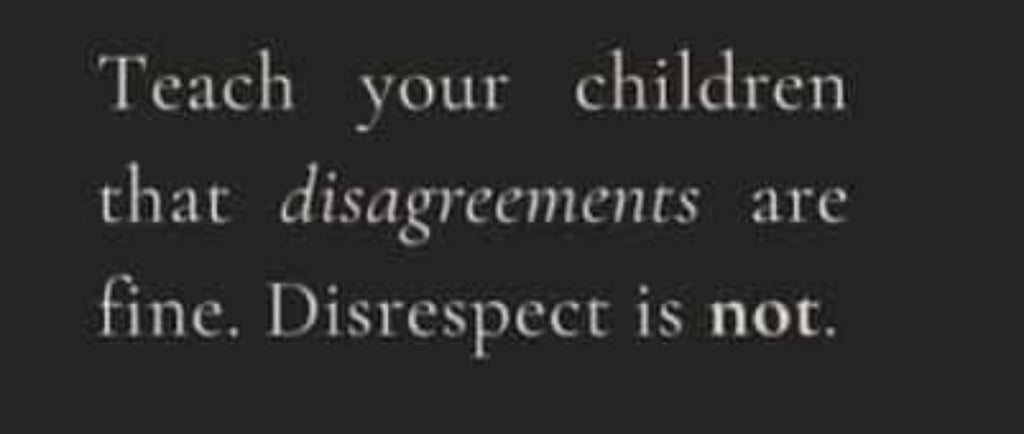
One of the realities of raising and educating children is that they will not always agree with us. They may disagree with parents, teachers, siblings or peers, and this, in itself, is not a problem. In fact, disagreement can reflect thinking, confidence and engagement.
The real concern is not disagreement, but disrespect.
Our responsibility as parents and teachers is not to silence children, but to teach them how to disagree with adab. With the right tone, words, timing and manner, especially when speaking to parents, teachers and elders.
Below is practical guidance that can be applied consistently at home, in classrooms and in madrasahs.
DOs
Model Respectful Disagreement
Children learn more from what they observe than from what they are told.
Speak calmly when disagreeing with spouses, colleagues, elders or other adults.
Avoid raised voices, sarcasm, or dismissive behaviour in front of children.
Remember: children copy tone and behaviour, not lectures.
When respectful disagreement is modelled, children naturally learn how to express themselves appropriately.
Teach the Importance of Tone
Tone often communicates more than words.
Teach children that a calm, soft voice is essential when disagreeing.
Shouting, sarcasm, eye-rolling, sighing, or aggressive body language are forms of disrespect, even if the words themselves appear polite, whether directed at parents or teachers.
Encourage children to pause and regulate their emotions before speaking.
A simple rule that works well at home and in classrooms:
If your voice is raised, the conversation has crossed a line.
Teach Respectful Choice of Words
Children must be taught what respectful disagreement sounds like.
Encourage phrases such as:
“I understand my mistake, but…”
“Am I okay to explain how I feel?”
“I understand your point, but…”
“Is it okay if I share my view?”
When children use such language appropriately, acknowledge it. This reinforces respectful communication without encouraging argumentativeness.
Teach the Right Place and Time
Not every disagreement needs to happen immediately, and not every disagreement needs an audience.
Teach children not to argue or challenge authority in front of guests, classmates, peers or other elders.
Encourage private conversations and calm moments.
Teach them to ask:
“Is this a good time to talk?”
For teachers, it is important to help children understand the difference between respectful disagreement and classroom disruption. A disagreement that interrupts learning, challenges authority publicly, or seeks peer validation is not appropriate. Students should be taught to raise concerns after the lesson or request a private conversation.
Emphasise Extra Respect with Parents, Teachers and Elders
Children must understand that disagreement with adults in authority carries added responsibility.
Teach them that not every difference of opinion needs to be voiced.
Sometimes parents or teachers see benefits, consequences, or wisdom that children may not yet understand.
In such situations, patience and trust are better than argument.
It is important to teach children that accepting guidance, even when they do not fully agree is part of maturity and good character. Wisdom lies not only in speaking, but also in knowing when to remain silent.
Dealing with Confusing Moments
Sometimes, children feel like everything a parent or teacher says is against them, or that a rule or decision is unfair. This feeling of questioning or doubting intentions is completely normal. Here’s how they can handle it:
Assume good intentions first: Most adults guiding them genuinely want what’s best, even if it feels strict or unfair.
Ask politely if unsure: “Can you please explain why it’s like this?” This helps them understand without being disrespectful.
Be patient and have trust: Sometimes guidance only makes sense later. Remaining patient and having a good opinion or responding calmly keeps trust strong and helps build good character.
Sometimes, even after thinking it through and asking politely, a child may still feel uneasy, and yes, sometimes the adult might be wrong. In these situations:
Talk to another trusted adult: This could be a relative, mentor or teacher known for wisdom and fairness. The goal is to get perspective, not to complain.
Follow the advice carefully: After talking it through, they can decide the most respectful way forward, keeping adab and patience as their guide.
Doing it this way helps children learn to think clearly, solve problems and manage their feelings, all while staying respectful and practicing adab.
DON’Ts
Don’t Shut Down All Disagreement
While respect is essential, silencing children is not the solution.
Avoid phrases such as “Don’t talk back” or “Because I said so” (unless safety is involved).
Teach how to speak, not silence.
Do not feel offended or undermined when a child disagrees respectfully using the right tone, words and timing.
If a child’s disagreement is incorrect, respond with calm explanation rather than anger.
For teachers, helpful responses in the moment include:
“Let’s continue the lesson, and you can speak to me afterwards.”
“I hear you, but now is not the right time.”
“We can discuss this privately later.”
When handled correctly, respectful disagreement strengthens trust and learning rather than weakening authority.
Don’t Tolerate Disrespect Because of Emotions
Emotions may explain behaviour, but they do not excuse it.
Being upset does not justify rude tone, harsh words, or public confrontation.
Children should learn to regulate emotions without abandoning manners.
Don’t Allow Disrespectful Language
Certain phrases should be consistently discouraged, both at home and in educational settings, such as:
“That’s not fair”
“You’re wrong”
“You never listen”
“That doesn’t make sense”
Unchecked language shapes mindset and behaviour.
Don’t Argue Aggressively in Front of Children
Children learn how to manage conflict by observing adults.
Aggressive arguments teach children that anger and volume are acceptable tools.
Calm discussion teaches restraint, dignity and self-control.
A Simple Rule for Home and Classroom
You are allowed to disagree, but your tone, words and manner must always be respectful.
When parents and teachers uphold the same standards of communication, children receive a clear and consistent message. This partnership between home and classroom creates emotionally safe environments, strengthens authority and nurtures confident children with strong adab.
For Teachers: A Simple Classroom Principle
Allow voice without allowing disruption.
Invite questions without inviting challenge.
Encourage thinking without compromising adab.
Final Reminder for Parents and Teachers
As parents and teachers, our role is to nurture with patience, understanding and wisdom. Let us not “write off” a child for a moment of disrespectful disagreement. Instead, let us guide them, just as the Ambiya (peace be upon them) guided their communities with patience and fikr.
The seeds of Tarbiyyah we plant today may take time to grow, but with consistent effort and du’as, they will Insha’Allah blossom into confident, respectful Muslims who embody the character of Rasulullah ﷺ.
Madrasah Consultancy is a Community Interest Company registered in England and Wales.
Company Number: 17166306
© 2026 Madrasah Consultancy. All rights reserved.
